About Vacuum Interrupter Current Seasoning Equipment
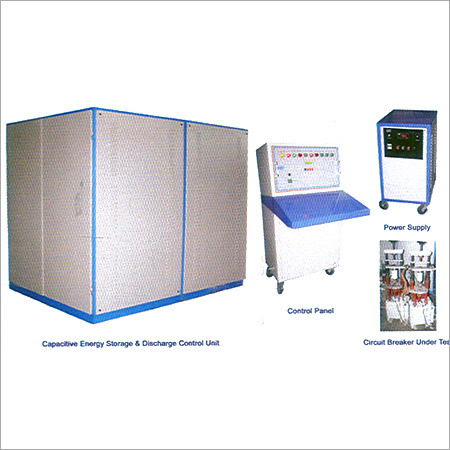
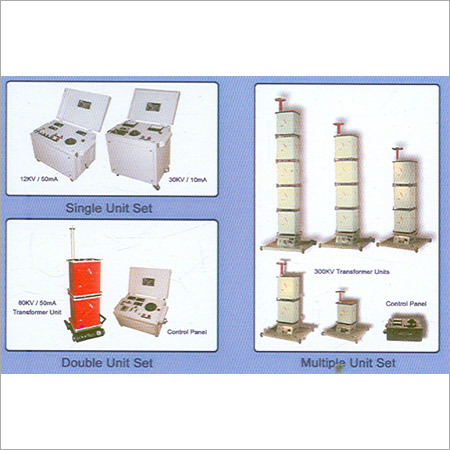
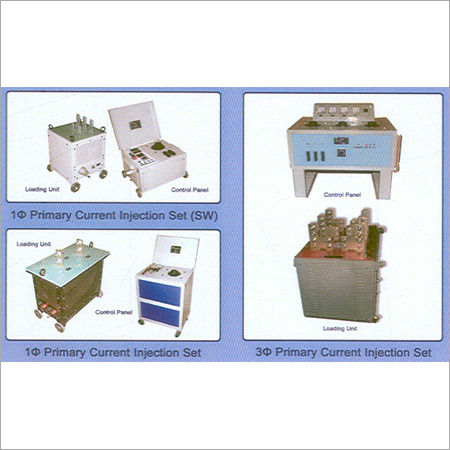
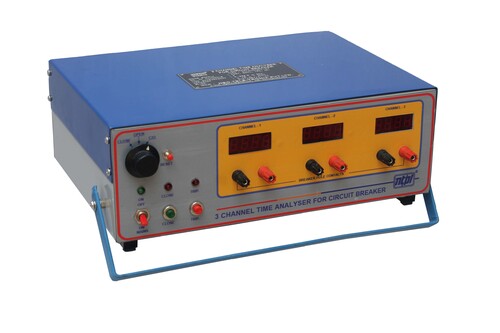
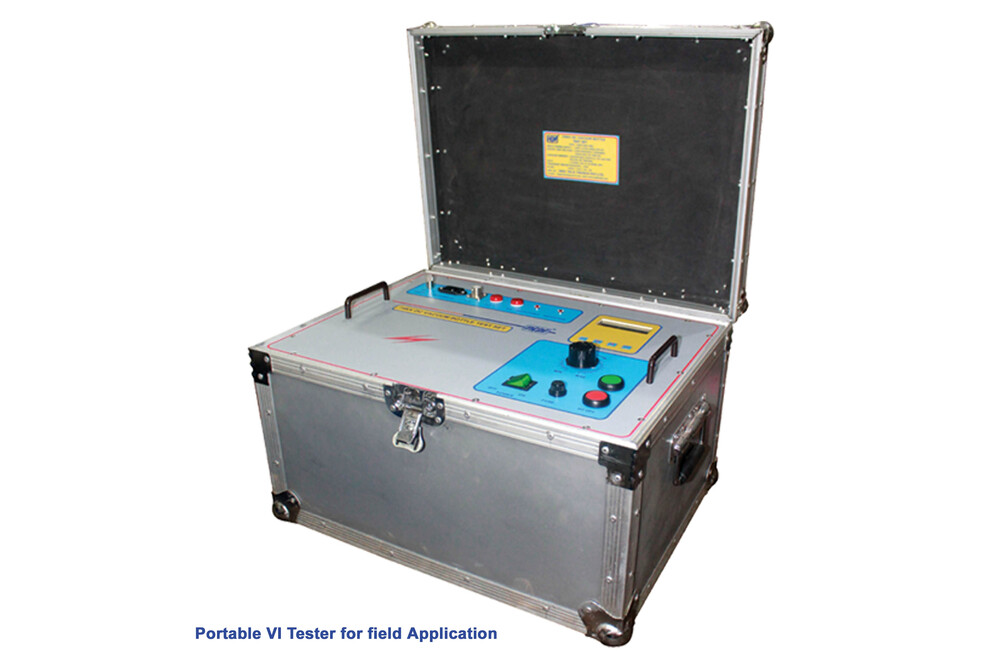
With years of experience and rich knowledge of this industry, our company is counted among the topmost manufacturers and exporters of Current Seasoning Equipment for Vacuum Interrupter. We follow all the guidelines and standards of industry while manufacturing this equipment using best grade raw materials. Available in different models, this Vacuum Interrupter Current Seasoning Equipment is offered to clients at competitive price.
Features:
- Long working life
- Excellent functioning
- Good durability
Specification
Automatic Microprocessor-Based ControlExperience seamless testing with fully automated control powered by a sophisticated microprocessor system. The programmable seasoning and test cycles optimize the process, while digital LCD displays provide instant access to key parameters, ensuring precision and ease of use for all operators.
High Performance and Safety FeaturesThis equipment delivers up to 4000A at short durations and operates safely under vacuum conditions below 1 Pa. Its robust safety features-including emergency stop, door interlocks, and alarm system-ensure user protection throughout the test cycles. Corrosion and arc-resistant design extends longevity, even under demanding workflows.
Flexible Connectivity and ComplianceEasily export and analyze test data via integrated USB and RS-232 ports, with dedicated PC software for comprehensive data management. The system meets IEC and GB/T standards, offering peace of mind to users who need reliable, standards-compliant testing performance.
FAQ's of Vacuum Interrupter Current Seasoning Equipment:
Q: How is the current seasoning process conducted with this equipment?
A: The seasoning process is managed by an automatic microprocessor-based control system, allowing users to set and run programmable seasoning/test cycles. The equipment delivers current up to 4000A for short durations under vacuum conditions below 1 Pa, ensuring thorough seasoning and performance testing of vacuum interrupters.
Q: What benefits does the digital LCD display offer during operation?
A: The digital LCD display provides real-time visualization of test parameters, making it easier to monitor current, cycle progression, and test results. This enhances operator efficiency, reduces error likelihood, and supports precise decision-making throughout the testing process.
Q: When should vacuum interrupters be tested with this equipment?
A: Vacuum interrupters should be tested and seasoned either during manufacturing quality control, prior to installation in switchgear, or after extended service intervals. Routine testing ensures optimal performance and extends the operational lifespan of the interrupters.
Q: Where is this equipment typically used?
A: This seasoning and testing equipment is commonly used in manufacturing plants, testing laboratories, and service centers dealing with electrical switchgear. Its compact design and compliance with international standards make it suitable for professional settings in India and globally.
Q: What is the process for transferring and analyzing test data?
A: Test data can be transferred via USB or RS-232 ports directly to a PC. The supplied software supports comprehensive test data analysis, logging, and reporting, enabling users to maintain efficient records and draw actionable insights more conveniently.
Q: What safety measures are incorporated into the equipment?
A: The equipment features an emergency stop button, door interlocks, an alarm system, and an over-current and short-circuit protection system. These safety measures protect the user and equipment from operational hazards, making testing both safe and reliable.
Q: What are the primary usage and benefits of this seasoning equipment?
A: This equipment is designed for accurate, efficient seasoning and testing of vacuum interrupters used in electrical switchgear. Benefits include reliable performance, enhanced safety, simplified operation via user-friendly controls, and full compliance with IEC and GB/T standards, supporting both productivity and regulatory requirements.







 Send Email
 Send Inquiry

 Send Inquiry

 Send Inquiry
 Send SMS
 Call Me Free