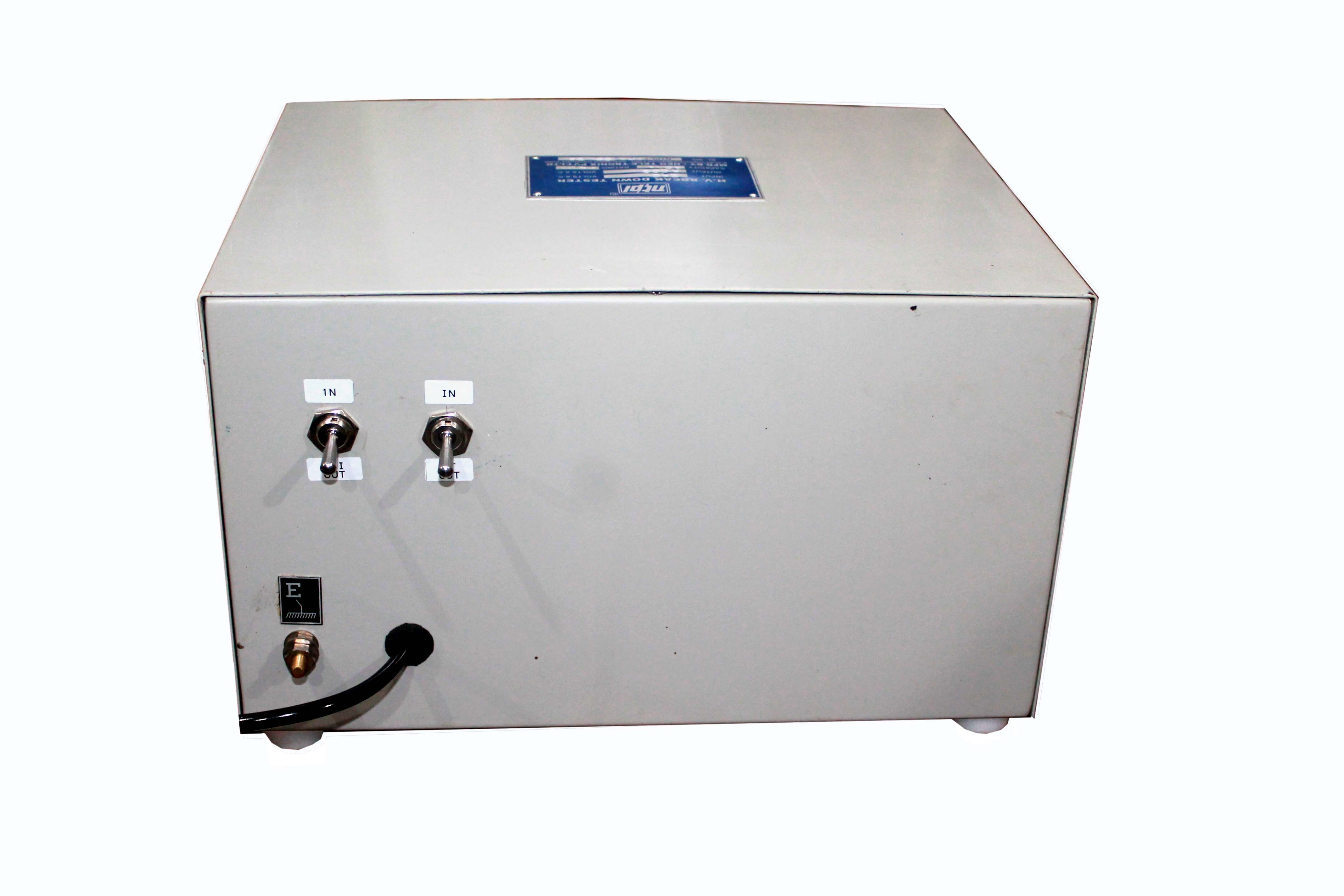
About AC Breakdown Voltage Test Set
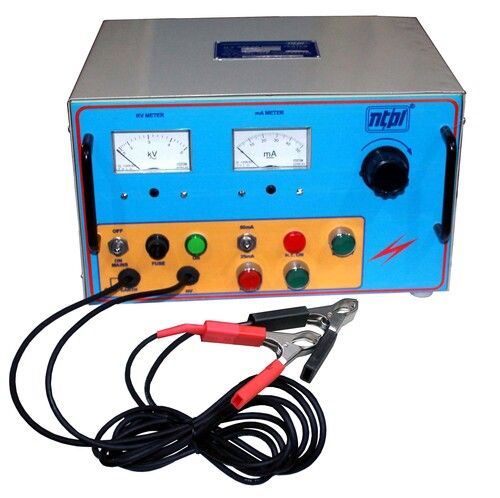
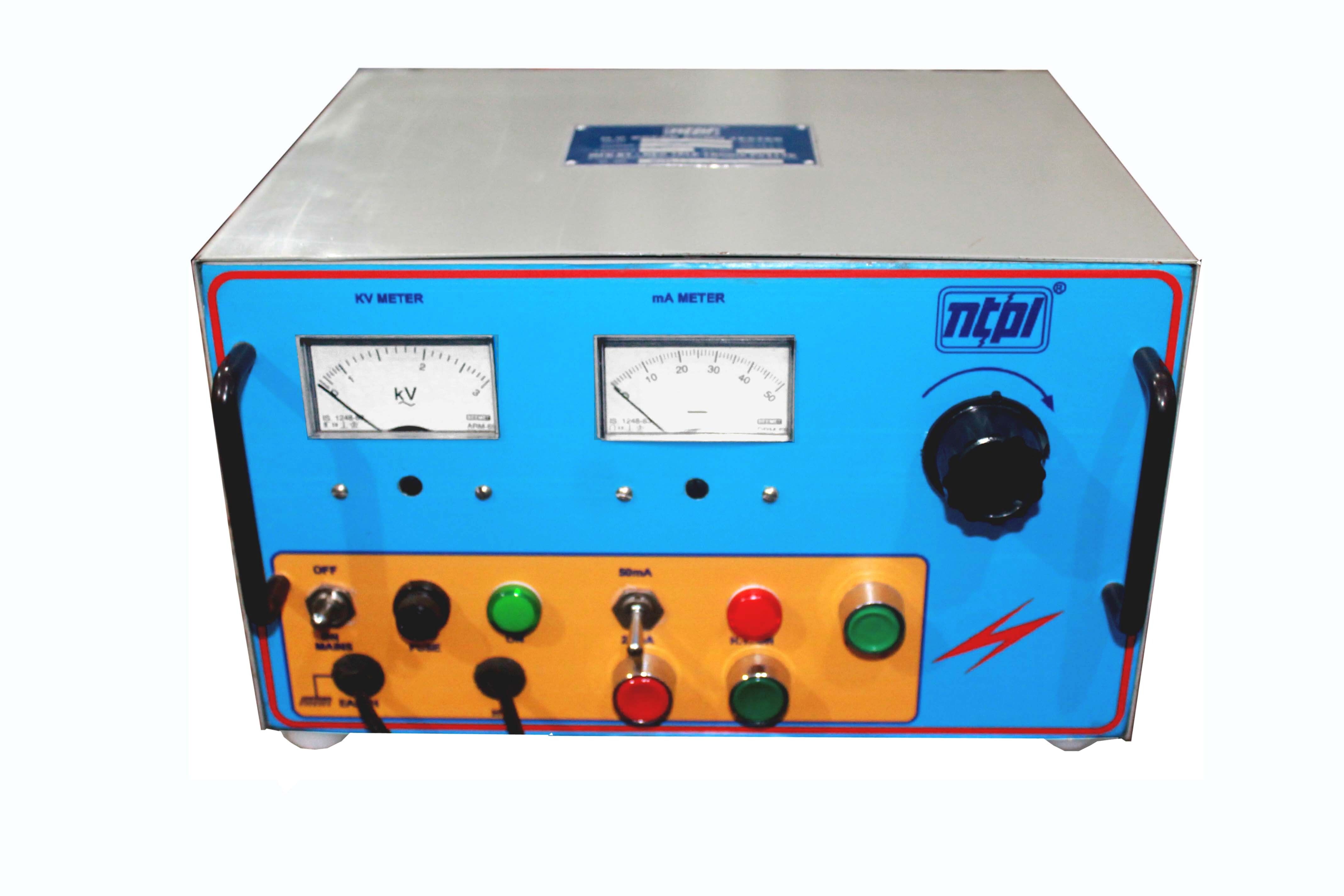
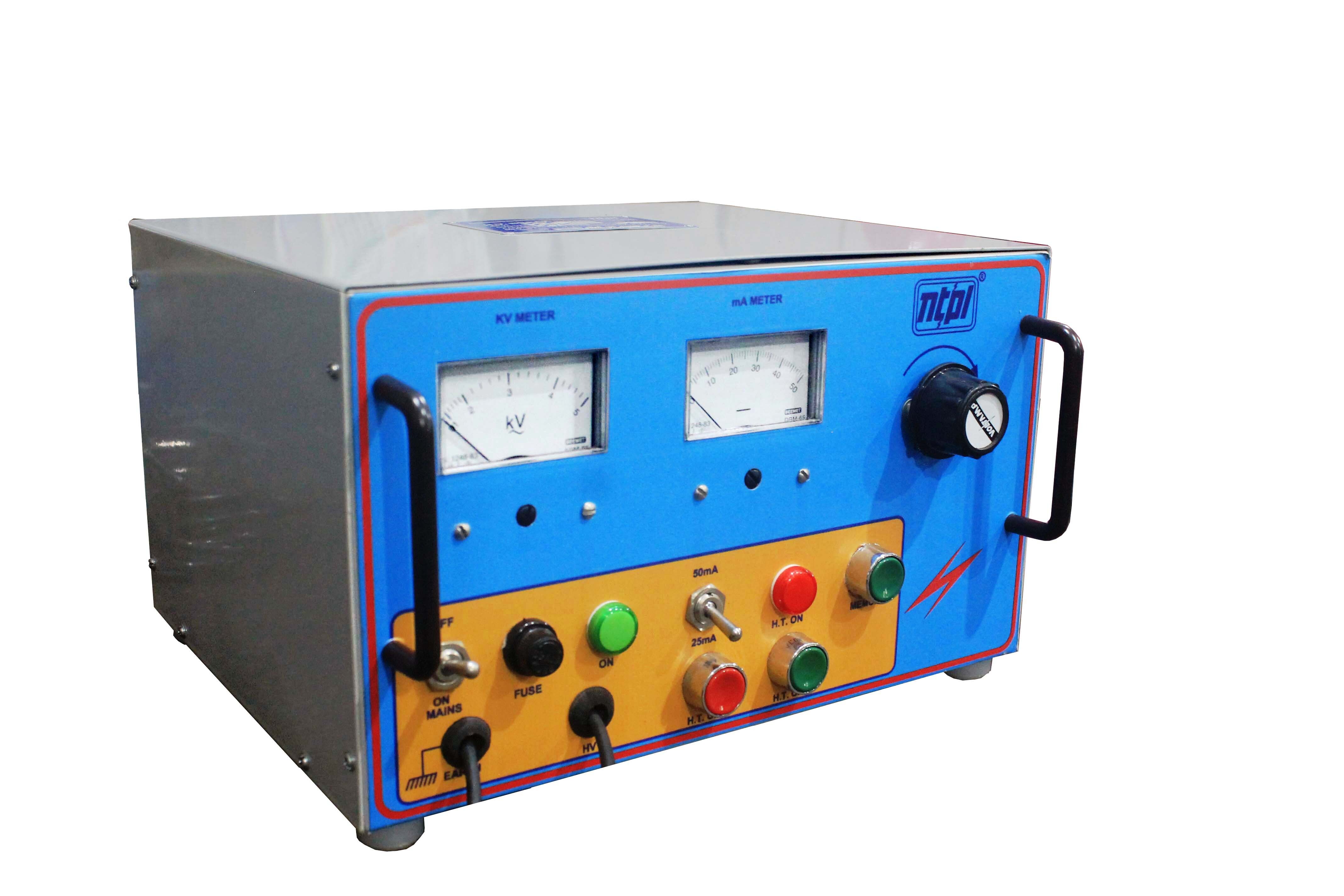
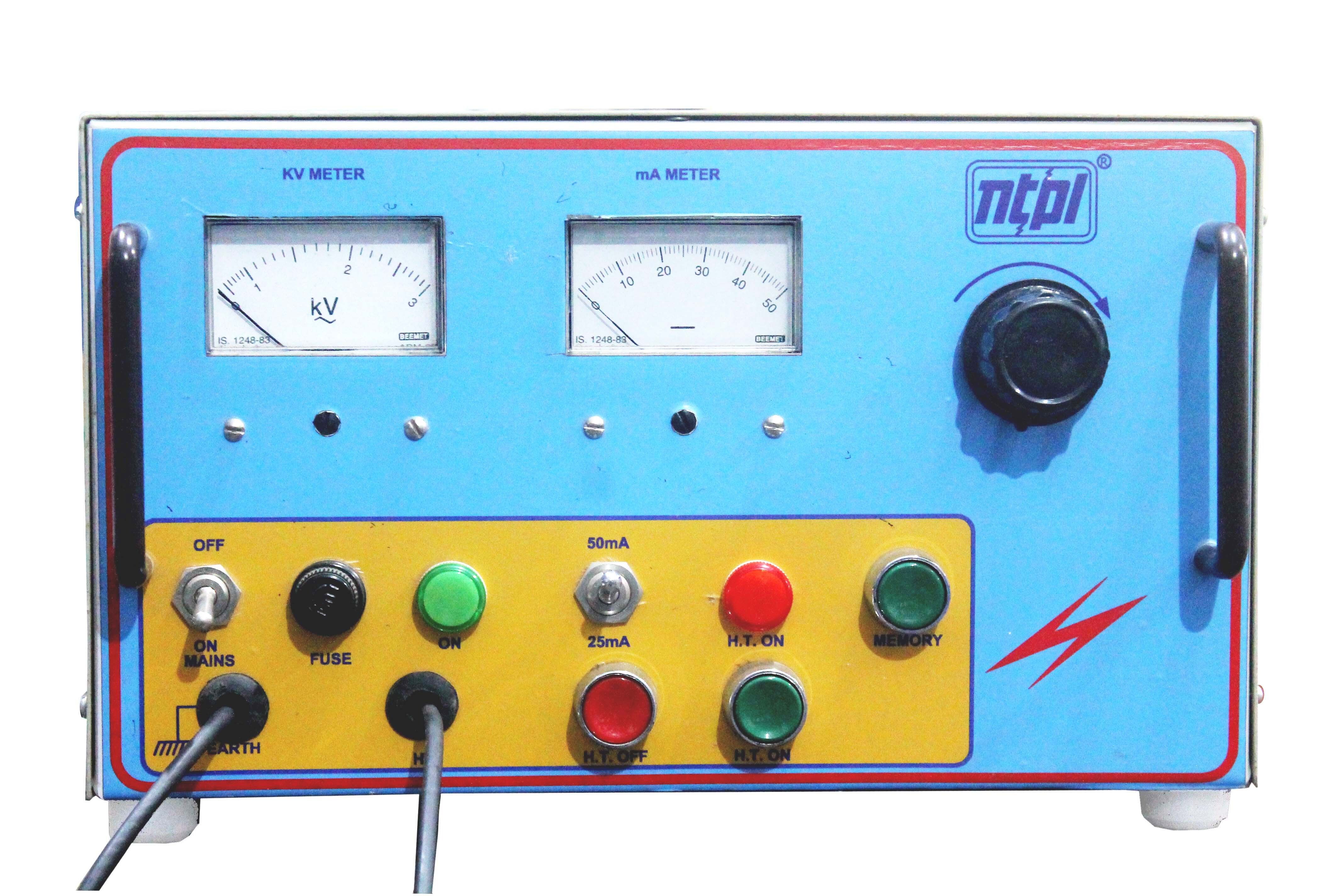
Our company is known as the most trusted manufacturer and exporter of AC Breakdown Voltage Test Set. This testing equipment is widely used for testing AC power supply in industries. Highly demanded by electrical, power and engineering industry, this AC Breakdown Voltage Test Set is available to clients in different technical specifications at competitive price. We manufacture this testing equipment to clients at competitive price.
Features:
- Rugged design
- High level of accuracy
- Long life span
Technical Features:
-
- Input : 230 Volts, single phase, 50Hz, AC.
- Output : Continuously variable from 0 to 3KV for 3KV BDV Tester & 0 to 5KV for 5KV BDV Tester.
- Capacity : 50mA max. at HT side.
- Duty : Intermittent i.e. 5 minutes ON, 10 minutes. OFF.
- Output voltage variation : By means of manual rotation of regulator.
- Over load tripping adjustment : At 25mA & 50mA.
Advanced Control and SafetyChoose between manual and automatic test modes to tailor to specific testing requirements. The built-in digital timer and automatic earth interlock, coupled with over-current and over-voltage protection, provide secure and reliable operations, safeguarding users during high-voltage tests.
Precision Testing and VersatilityEmploying a digital volt meter and stainless steel ball electrodes, this device offers 1% accuracy on full-scale readings. The adjustable electrode gap and high-quality insulating oil test chamber enhance its versatility, making it fit for a broad range of applications in the transformer and oil industries.
Durable and Practical DesignEncased in an oil, abrasion, and chemical-resistant chamber, the test set supports up to 500 ml samples. Natural air cooling ensures effective heat management, while its light grey, compact design and customizable sizing options adapt easily to diverse laboratory and industrial environments.
FAQ's of AC Breakdown Voltage Test Set:
Q: How does the AC Breakdown Voltage Test Set conduct oil testing?
A: The test set applies a controlled AC voltage between two stainless steel ball electrodes immersed in an oil sample. By gradually increasing the voltage and monitoring the breakdown point using the digital volt meter and timer, users precisely determine the dielectric strength of insulating oils.
Q: What safety measures are incorporated in the device?
A: Safety is ensured through features like automatic earth interlock, zero or maximum voltage start, and comprehensive over-current and over-voltage protection. User safety interlocks prevent operation under unsafe conditions, reducing electrical hazard risks.
Q: When should the electrode gap be adjusted during a test?
A: Adjust the standard 2.5 mm electrode gap before the test begins or when required by specific testing standards. Proper gap setting is vital for accurate and repeatable dielectric voltage breakdown measurements.
Q: Where is this test set commonly used?
A: The AC Breakdown Voltage Test Set is widely used in transformer manufacturing plants, electrical utilities, research laboratories, and oil testing facilities across India and globally. Its design meets the needs of both exporters and manufacturers.
Q: What is the process for a typical dielectric breakdown voltage test?
A: Fill the insulating oil chamber (capacity ~500 ml), adjust the electrode gap, and set the timer. Choose between manual or automatic mode, gradually apply voltage, and observe the breakdown point. The digital display provides precise voltage readings throughout the process.
Q: What benefits does the digital volt meter offer in this test set?
A: The integrated digital volt meter delivers accurate, real-time voltage readings, ensuring reliable and repeatable test results. This enhances data precision, supporting quality control and compliance with industry standards.
Q: How does the protection system contribute to operator safety?
A: The automatic earth interlock, voltage protections, and user safety interlocks ensure that testing proceeds only under safe conditions, minimizing risk of electrical shock, machine damage, and operational errors.







 Send Email
 Send Inquiry

 Send Inquiry

 Send Inquiry
 Send SMS
 Call Me Free